MAGZO Weather Stripping – Home Office Soundproofing Foam Tape for Window Drafts and Door Gaps
MAGZO Weather Stripping – Home Office Soundproofing Foam Tape for Window Drafts and Door Gaps
Couldn't load pickup availability
Why you'll love it
- Upgraded strong adhesive stays put without leaving sticky residue when removed
- Wide -50°C to 150°C temperature tolerance handles extreme climates and garage heat
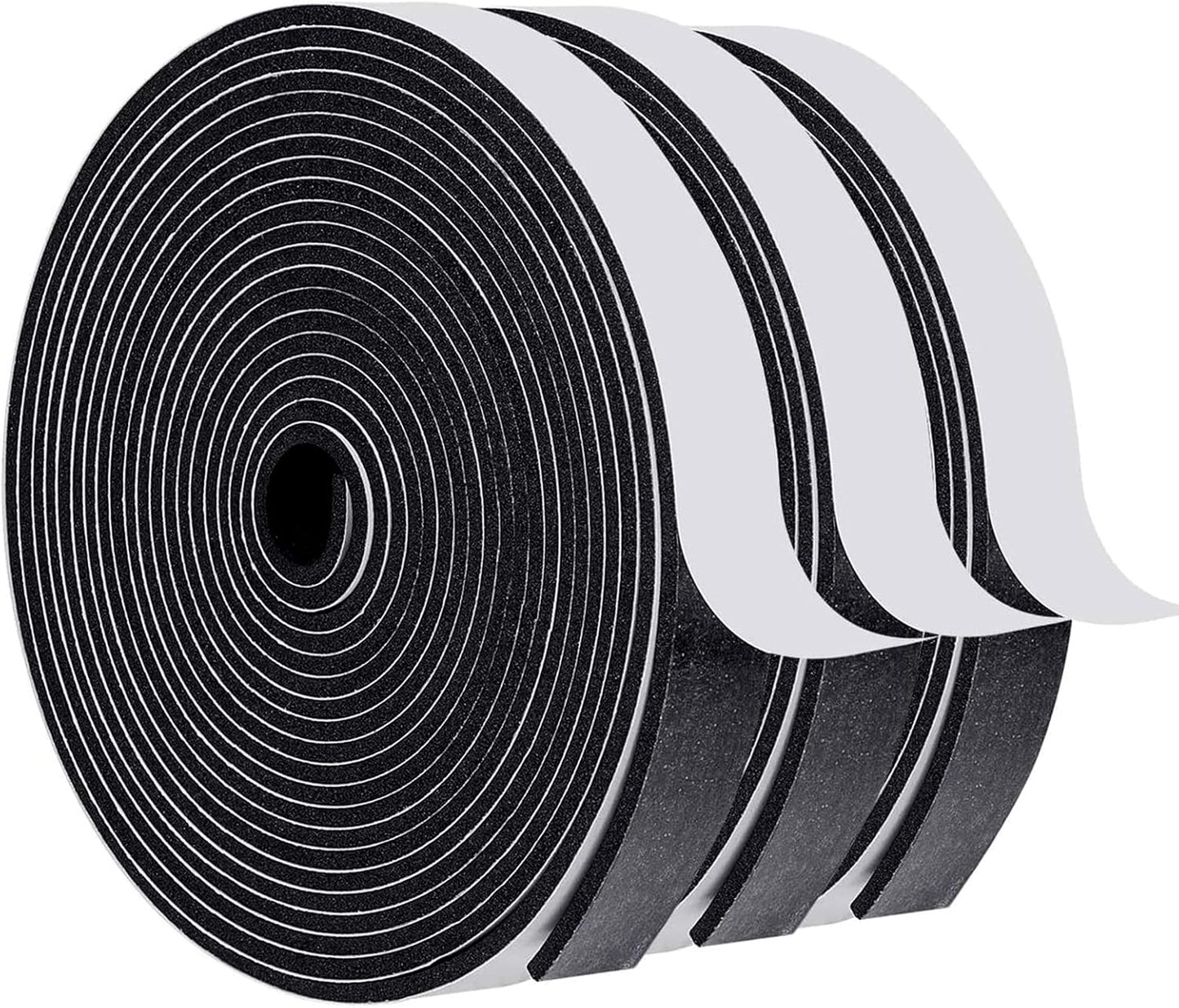
- Three-roll pack plus cuttable foam lets users tackle multiple projects from one purchase
- Year-round comfort: keeps rooms cool in summer and warm in winter, cutting electricity costs
- Multi-purpose versatility — one tape covers doors, windows, furniture, and machinery
- Easy DIY installation with scissors and a clean dry surface, no tools required
Perfect for
- Seal gaps around doors and windows to block drafts and lower energy bills
- Add soundproofing layer to reduce noise between rooms or from outside
- Install on table and counter edges to cushion collisions and protect children
- Apply as shock-absorbing padding on tools, machinery, or vibrating appliances
- Block dust, insects, and moisture infiltration along window sills and door bottoms
Frequently Asked Questions
Will this tape really reduce distractions in my home office?
Yes. Sealing the gaps around your office door and any nearby windows dramatically reduces outside noise from traffic, neighbors, and household activity. Most people notice an immediate improvement in focus and concentration.
Can I use it to soundproof a door between my office and a noisy household?
Yes. The foam weatherstrip is one of the most cost-effective ways to upgrade a hollow interior door into a quieter barrier. Pair it with a door sweep for full perimeter sealing and the noise reduction is significant.
Will it help my workshop tools run quieter?
Yes. Wrapping tool handles, drawer edges, and vibrating surfaces with the foam absorbs vibration and dampens the metallic ringing sound common in workshops. It is a popular hack among hobby woodworkers and metalworkers.
Can I apply it to the edges of my standing desk or workbench?
Yes. The foam cushions the edges where you rest your forearms during long work sessions, and it protects the desk finish from scratches caused by tools and hardware.
Is it useful for a podcast or recording studio in a spare room?
It is a great low-cost first step. Sealing door and window gaps stops the majority of airborne sound leaks, which makes a noticeable difference in a home recording setup before investing in full acoustic panels.
Can I use it to reduce HVAC noise in my office?
Yes. The foam dampens the vibration transferred through window frames and door edges from window AC units, mini-splits, and old HVAC registers. Many users report a quieter workspace within minutes of installation.
Will it help me focus by keeping my office temperature stable?
Yes. By sealing drafts, your heater or AC runs less often and more consistently, eliminating the temperature swings that break concentration. The foam is rated to perform in any climate, so it works year-round.
Can I use it as a buffer on vibrating machinery like a 3D printer or compressor?
Yes. The closed-cell foam absorbs vibration effectively and can be applied to printer feet, compressor mounts, and appliance pads. It is a quick way to reduce noise and prevent vibration transfer to the workbench.
How does this compare to acoustic foam panels for focus?
Acoustic panels treat sound inside the room (echo, reverb), while weatherstripping prevents sound from entering or leaving in the first place. For a noisy home office, sealing the gaps is the highest-impact, lowest-cost first step.
Is this a smarter use of budget than buying a noise-canceling headset?
They solve different problems. A headset masks sound at your ears; weatherstripping reduces sound in the entire room. For a quiet, comfortable workspace, sealing the room is a more complete solution.
How does this compare to silicone seals for workshop machinery?
Silicone is denser and handles higher heat, but foam is easier to apply in thin layers on curved or irregular surfaces. For typical hobby tools and benchtop machines, foam provides excellent vibration damping at lower cost.
Can I install it during a workday without disrupting my schedule?
Yes. Each strip cuts and applies in under a minute. You can seal an entire office door and windows in a coffee break, with no tools, no drying time, and no disruption to your workflow.
Will the adhesive damage my expensive standing desk finish?
No. The no-residue adhesive is engineered to bond without damaging wood, laminate, or metal finishes. When you eventually reconfigure your office, the strip removes cleanly.
Is it safe to use near electronics like computers and monitors?
Yes. The foam is non-conductive and emits no chemicals that could affect electronics. It is safe to use around computers, monitors, charging stations, and server racks.
What if my office is in a shared building with thin walls?
Weatherstripping your own door and window is a great start, but for shared walls, pair it with additional acoustic treatment. Many remote workers combine foam tape with a door sweep and a heavy curtain for noticeable improvement.
What if I don't notice a difference in my focus after installing it?
The biggest performance gains come from sealing the largest visible gap — usually under the door. Add a door sweep, check the window sashes, and reapply any strips that did not fully bond. Most users see results within the first session.
How do I install this weather stripping tape?
Clean the surface with rubbing alcohol and let it dry completely. Cut the foam to the length you need with standard scissors, peel off the adhesive backing, and press the strip firmly into place. Hold for 30 seconds to allow the adhesive to bond. No tools, drilling, or additional adhesive are required.
Can I cut the tape to fit unusual shapes or angles?
Yes. The foam cuts easily with household scissors, even around tight corners and curves. For sharp angles, cut small relief slits on the back side of the foam so it bends cleanly without buckling.
How long will the adhesive last before it needs to be replaced?
With proper installation on a clean, dry surface, the upgraded adhesive typically lasts 2–5 years in most residential applications. Extreme climates and high-friction doors may shorten that range, but the multi-roll pack makes replacement quick and affordable.
Does this work on both interior and exterior doors?
Yes. It is rated for both interior and exterior use across a -50°C to 150°C range. It is commonly used on entry doors, garage doors, basement doors, French doors, sliding glass doors, and interior room doors.
Will it stick to painted, stained, or unfinished wood?
Yes, with proper surface preparation. Clean the wood with a degreaser or alcohol, let it dry, and apply the strip. Painted and stained surfaces bond best. Unfinished wood may need a light sanding for the strongest hold.
What's included in the box?
You receive three rolls of foam weather stripping totaling 50 feet in the 1/2-inch wide x 1/8-inch thick configuration, in black. The product is ready to use straight out of the package — no additional adhesive, tools, or accessories are required.
Is this tape safe to use around children and pets?
Yes. The CR foam and Neoprene blend is non-toxic and safe for typical household contact. As with any small component, supervise infants and ensure the strip is applied where it cannot easily be pulled off and mouthed.
Will it leave sticky residue when I remove it?
No. The adhesive is specifically engineered to peel away cleanly without leaving residue on most surfaces, including painted wood, glass, metal, and plastic. This makes it ideal for renters and for seasonal adjustments.
What's the difference between foam weatherstripping and rubber or silicone weatherstripping?
Foam weatherstripping is softer, more affordable, and easier to install for most DIY projects. Rubber and silicone are denser and last longer in high-friction or high-heat areas, but they cost more and are harder to cut. For most residential doors and windows, foam offers the best balance of performance, ease, and value.